
Reviewed · SCUBA DIVING
Discover Scuba Diving
Rincón, Puerto Rico is an easygoing place to try scuba for the first time, because the whole intro course happens close to shore and ends right where you started. I love the small group size, with a maximum of four people per instructor, so the coaching doesn’t feel rushed.
I also really like that you are guided by a PADI-certified instructor who teaches the theory, fits your gear, and stays with you during the whole underwater session.
The only real drawback is value for money: at $139 per person, it can feel pricey if you’re on the fence about continuing to certification.
Key things I’d plan around
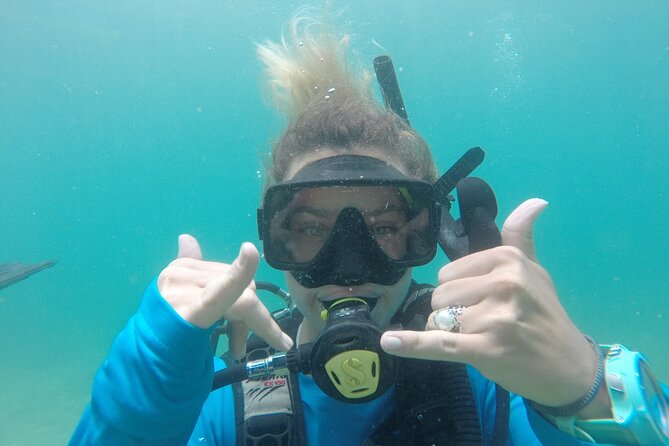
- Max 4 per instructor means more hands-on time and calmer nerves for first-timers
- PADI-led intro skills are taught in shallow water before you go out to the reef
- You can reach 12m (about 39 feet) on the open-water reef session
- Gear and snorkel equipment are included, so you can pack light
- No boat is required, and you transfer to the beach in a short 5-minute caravan
- A health questionnaire is required, and some medical conditions may rule you out
First-time scuba in Rincón: why this setup works
If you want your first scuba experience to feel safe, simple, and not like a big production, Rincón is a strong choice. This course runs out of the local scuba operator, then you head to the beach for the water part, with the whole thing designed as a half-day commitment.
What makes this practical is the pacing and the location. You’re not waiting on a boat, and you’re not spending your morning stuck in travel logistics. That matters when you’re carrying nerves, fins, and a new set of gear on your back.
The course also leans into the “try it, don’t certify it” goal. The instructor isn’t just taking you underwater, they are teaching the basics, so you leave with a clear sense of whether you want the next step in the PADI path.
More dives out of Rincón:
- Experience Scuba Diving / NO certification Needed
★ 4.5 · 104 reviews - Beginner Scuba Diving Guided Tour – No Experience Required
★ 4.5 · 67 reviews - Guided Shore Diving Tour
★ 5.0 · 53 reviews
From check-in to reef time: the 3 to 5 hour flow
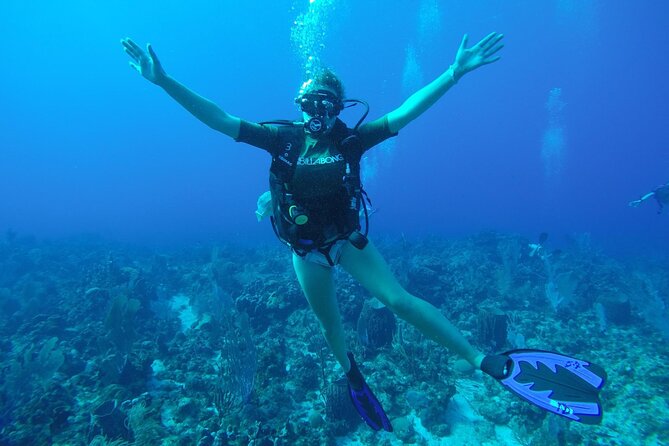
Plan for about 3 to 5 hours, starting at 9:00am. The rhythm is pretty straightforward, but it helps to know what takes time.
Check-in and paperwork (about 45 minutes)
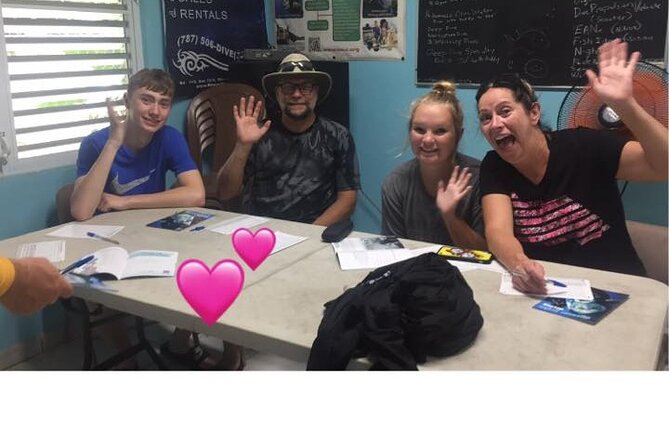
You’ll do the health paperwork first, including personal information and a medical history questionnaire. After that, you’ll check in with your instructor and spend time in the training area.
A short video, then gear fitting
You watch a short video explaining course details, and for some groups it’s around 15 minutes, based on past participant feedback. Then the instructor repeats the core points while you get fitted for your equipment.
Shallow-water skill practice
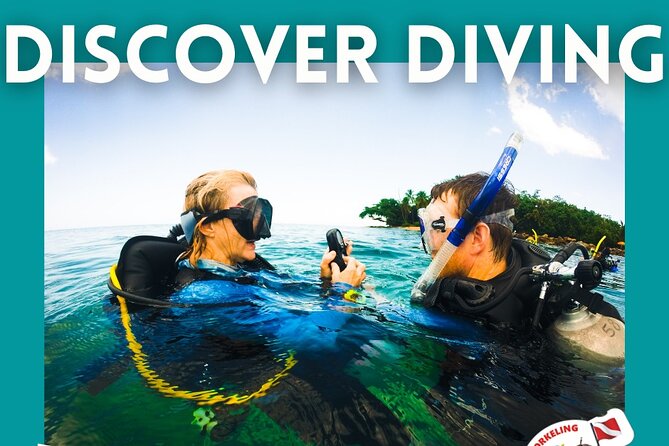
Before you go anywhere that feels like real “open water,” you practice core skills in shallow water with the instructor. This is where you learn how to handle your gear calmly, so the later reef session feels less like learning on the fly.
The open-water reef session (to 12m / 39 feet)
After training, you move into open-water exploration of coral reefs, with the instructor right there the whole time. The maximum depth is 12m, which is deep enough to feel exciting, but still controlled for first-timers.
Optional second dive option, with a break
If you choose the second option, you’ll take about an hour break, then do a second briefing and go to a different reef area with your instructor.
Shallow-water basics: skills that make you feel in control
This course is built around the PADI “try it first” philosophy. You’re not expected to be an athlete or a swimmer who has already mastered timing and breathing underwater. You’re expected to learn a few essential skills and understand what to do when something feels unfamiliar.
Here’s what you’re taught, based on the program outline:
- Mask clearing (dealing with water in your mask in a controlled way)
- Regulator recovery (what to do if the mouthpiece comes loose and how to regain control)
- Sharing air (how you would handle an air-sharing scenario with a buddy, under instructor supervision)
You’ll likely feel some of this as “mechanical at first,” especially the breathing and the timing. That’s normal. The value is that these skills become the mental checklist that keeps you calm later, when you are focused on the reef instead of fighting basic equipment.
Also, the instruction is set up for non-experts. One common theme from first-timer experiences is that the instructor keeps things friendly and patient, which is exactly what you want when you’re learning something that feels brand-new.
The open-water reef session: what you can realistically expect
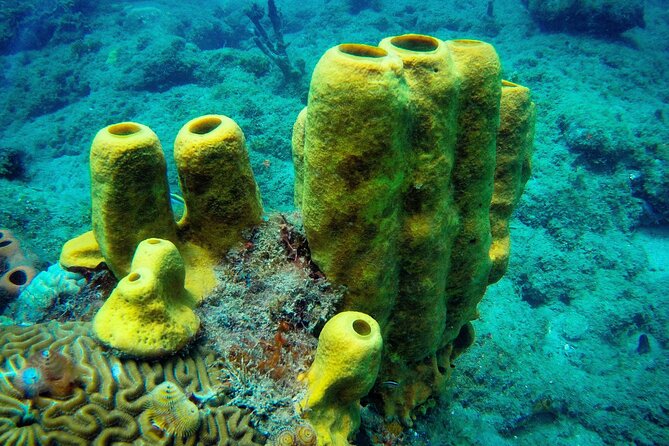
The best part of this course is the shift from “classroom practice” to “wow, I’m actually underwater.” You’ll explore coral reefs in open water, guided by your instructor, and you can go as deep as 40 feet / 12 metres.
Depth limit matters because it shapes your entire experience. At this maximum, you can see plenty of reef life without it becoming a stressful, unfamiliar environment. It’s a sweet spot for beginners who want the feeling of scuba without the heavy pressure of advanced depth.
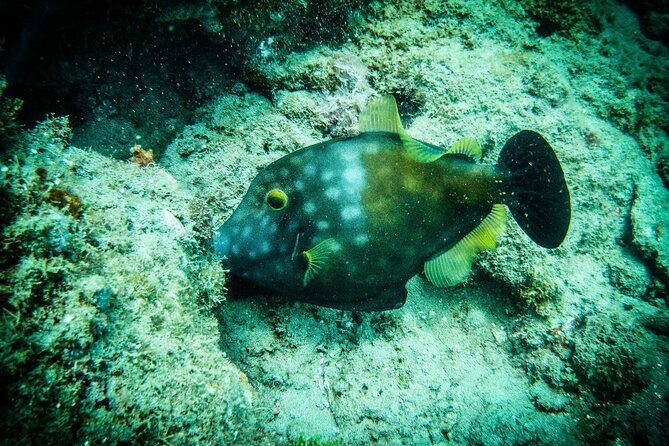
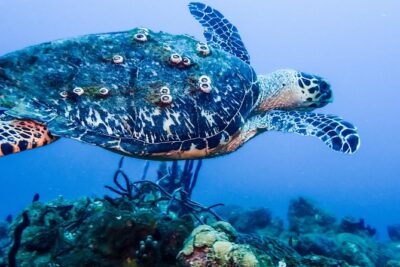
What you might see depends on conditions, but reef wildlife is a big draw. In past experiences, people have reported memorable sightings, including sharks. I can’t promise any specific animals, but it’s a good sign that the reef area can deliver the kinds of surprises you dream about when you try scuba for the first time.
One small practical note: this isn’t a silent, untouched world where you can relax completely. You’ll be watching your gear, following your instructor, and using the skills you practiced. That’s part of the point. You’re learning, but you’re also sightseeing.
A few more Rincón days to compare
- Horseback Riding through Secluded Beaches and Tropical Forests
★ 4.5 · 708 reviews - Rincon Snorkeling Adventure
★ 5.0 · 231 reviews - Guided Coral Reef Snorkeling Tour
★ 4.0 · 127 reviews - Snorkeling Adventure in Aguadilla
★ 5.0 · 117 reviews
Meet the people: why instructors shape the whole experience
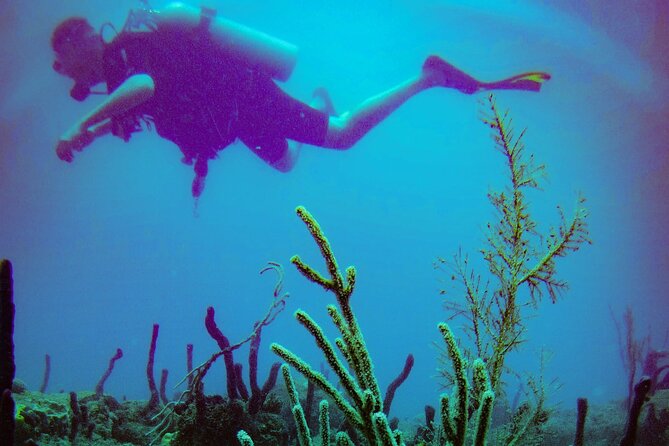
In a first-time scuba setup, the instructor makes or breaks it. Here, the focus is on staying small, staying personal, and staying safe.
Past participants have specifically highlighted instructors like Claire and staff members including Michelle. The feedback points to patience with anxious first-timers, and a clear, repeated explanation of techniques from training to water practice.
You should also expect a structured approach:
- theory in the video and briefing
- equipment fitting that matches how you move and breathe
- coached skills in shallow water
- supervised reef exploration
That’s not just friendly service. It reduces mistakes and makes it easier to focus on the reef instead of wondering what comes next.
If you want Spanish support, you can request it. The operator notes a Spanish guide is available by request, but you should confirm that request after booking.
Safety, medical checks, and who this is truly for
Scuba is fun, but it is still a real activity with real safety rules. The course requires a health questionnaire, and the operator states that some medical conditions, like asthma or heart conditions, may prevent you from diving. You should talk to your doctor if you have anything you’re unsure about.
You should also be able to swim. Prior snorkeling experience is helpful, but it’s not required.
A few other practical points:
- They ask for a moderate physical fitness level
- Minimum age is 10, but it may not be suitable for all kids age 10 to 14, so you should call if a child under 14 is joining
- They emphasize good hydration and reef-safe sunscreen (no oxybenzone is mentioned)
If you’ve got a fear of being underwater, go in with realistic expectations. The skills are taught step-by-step, and the instructor is there the whole time. Many first-timers feel their confidence build quickly once they realize they can control the essentials.
Price and value: what $139 buys you (and what to watch)
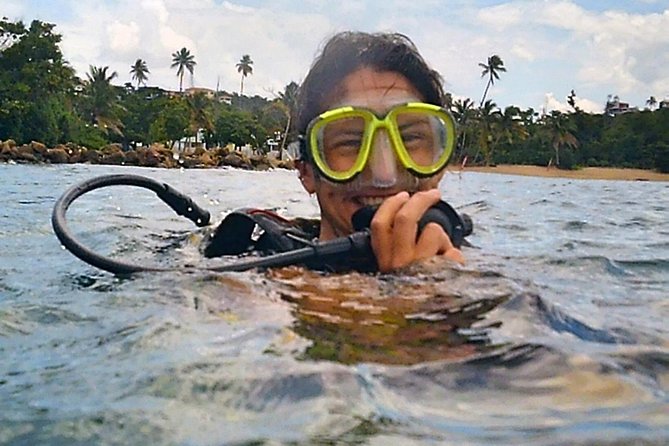
At $139 per person, this isn’t the cheapest activity in Puerto Rico. One review even called it a bit expensive. But here’s where the value case can still hold up.
You get:
- Small group instruction (maximum four per instructor)
- All scuba equipment and snorkel equipment included
- Bottled water provided, plus the option to bring a water bottle for filtered refills from collected rainwater
- Taxes, fees, and handling charges included
- An instructor who is PADI-certified and insured
That combination matters for beginners. Paying for a guided, controlled learning environment is different from “just getting in the water and hoping for the best.”
The also-important value factor is what you learn. If you decide you want certification, the skills practiced here, like mask clearing and regulator recovery, may credit toward PADI levels. That means the money can lead to a future course, not just a one-off afternoon.
My practical warning: if you’re very budget-focused and you’re only curious for a quick glance, the cost may sting. But if you want a real first experience where you learn what you’re doing and see the reef, the format justifies the spend more than a casual swim event.
Getting to the beach: the logistics that can trip you up
This course is designed as a start and end loop:
- It starts at the operator location in Rincón
- It ends back at the same meeting point
- No boat is required
The transfer to the beach is short, about a 5-minute drive. The operator notes you caravan to the beach in your own transportation. Taxis are limited, so if you’re relying on rides, plan ahead.
What I’d do: confirm how your transportation will work before the day-of. It’s only a short trip, but first-timers are often juggling gear fitting time and sunscreen application, and any confusion adds stress.
What to bring and how to avoid gear-sun problems
Pack for comfort, not for scuba gear shopping. The operator provides what you need, so your job is mostly clothing and sun care.
Bring:
- Swimsuit
- Towel
- Your own water bottle (for refills)
- Reef-safe sunscreen, ideally without oxybenzone, if you have it
- A t-shirt or sun shirt to reduce sunburn and friction from equipment abrasion
Water temperature is described as low-mid 80s Fahrenheit, so they note additional thermal protection is usually not required.
If you prefer a perfect fit, you can bring your own snorkeling or scuba equipment, and the operator says that’s allowed, though they still provide the full equipment set.
Should you book this first scuba course in Rincón?
I’d book it if you want a structured first experience with tiny groups, PADI instruction, and a real reef session with a maximum depth of 12m. It’s a good match if you can swim, you want to learn actual underwater skills, and you’d like clarity on whether certification is for you.
I would think twice if $139 feels too steep for your travel budget, or if you have medical concerns that might affect your eligibility. The health questionnaire is not a formality here, and you don’t want surprises on check-in day.
If you want, tell me your group’s ages and swim comfort level, plus whether you plan a flight soon after. I can help you judge whether the timing and prerequisites make sense.
FAQ
Do I need prior scuba experience?
No prior experience is required. You will learn scuba basics during the introductory course, and the instructor teaches you the skills you need while you are supervised in the water.
Do I need to be able to swim?
Yes. Participants must be able to swim. Prior snorkeling experience is helpful, but the main requirement is that you can swim.
Is equipment included?
Yes. Snorkel equipment and all scuba diving equipment are included.
How deep will the open-water session go?
The open-water reef session can take you as deep as 40 feet (12 metres).
Do I need a minimum number of participants to book?
No minimum number of participants is required to book.
How long is the experience?
It runs about half-day, approximately 3 to 5 hours, starting at 9:00am and ending back at the meeting point.
Newly listed in Rincón
- Sunset Horseback Ride by the Beach in Aguadilla, Puerto Rico★ 3.5 · 3 reviews
- Sightseeing Hop-On Hop-Off Tour in West of Puerto Rico★ 5.0 · 42 reviews
- Surfing Lesson, Rincon PR★ 4.5 · 8 reviews
- Private Rincon Snorkeling Adventure★ 5.0 · 16 reviews
- Rincón UTV Sunset Adventure: Explore & Chase the Perfect Sunset★ 5.0 · 4 reviews
- Rincon Tour Sunset & Nightlife Experience★ 5.0 · 5 reviews
- Aguadilla UTV Off-Road Tour to Faro Ruins!★ 5.0 · 11 reviews
- Explore Puerto Rico’s West Coast★ 5.0 · 18 reviews
Scuba Diving, compared.
Beginner Scuba Diving with Turtles and Videos, San Juan
Read our review →
Experience Scuba Diving / NO certification Needed
Read our review →
Discover Scuba Diving in San Juan: Perfect for First-Time Divers
Read our review →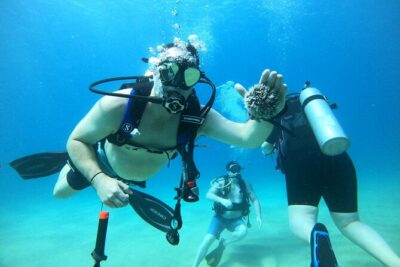
Beginner Scuba Diving Guided Tour – No Experience Required
Read our review →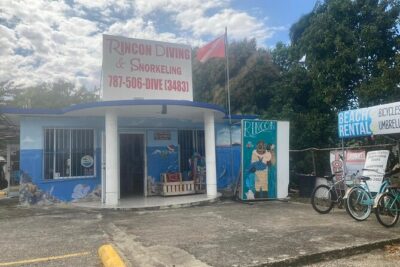
Guided Coral Reef Scuba Tour / 1 tank (Certified Divers Only)
Read our review →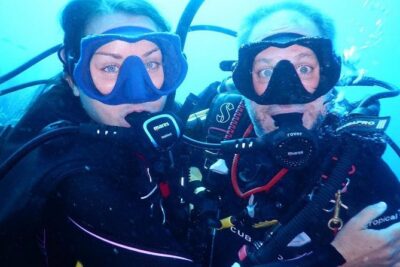
Browse the lists this tour appears in